About Me
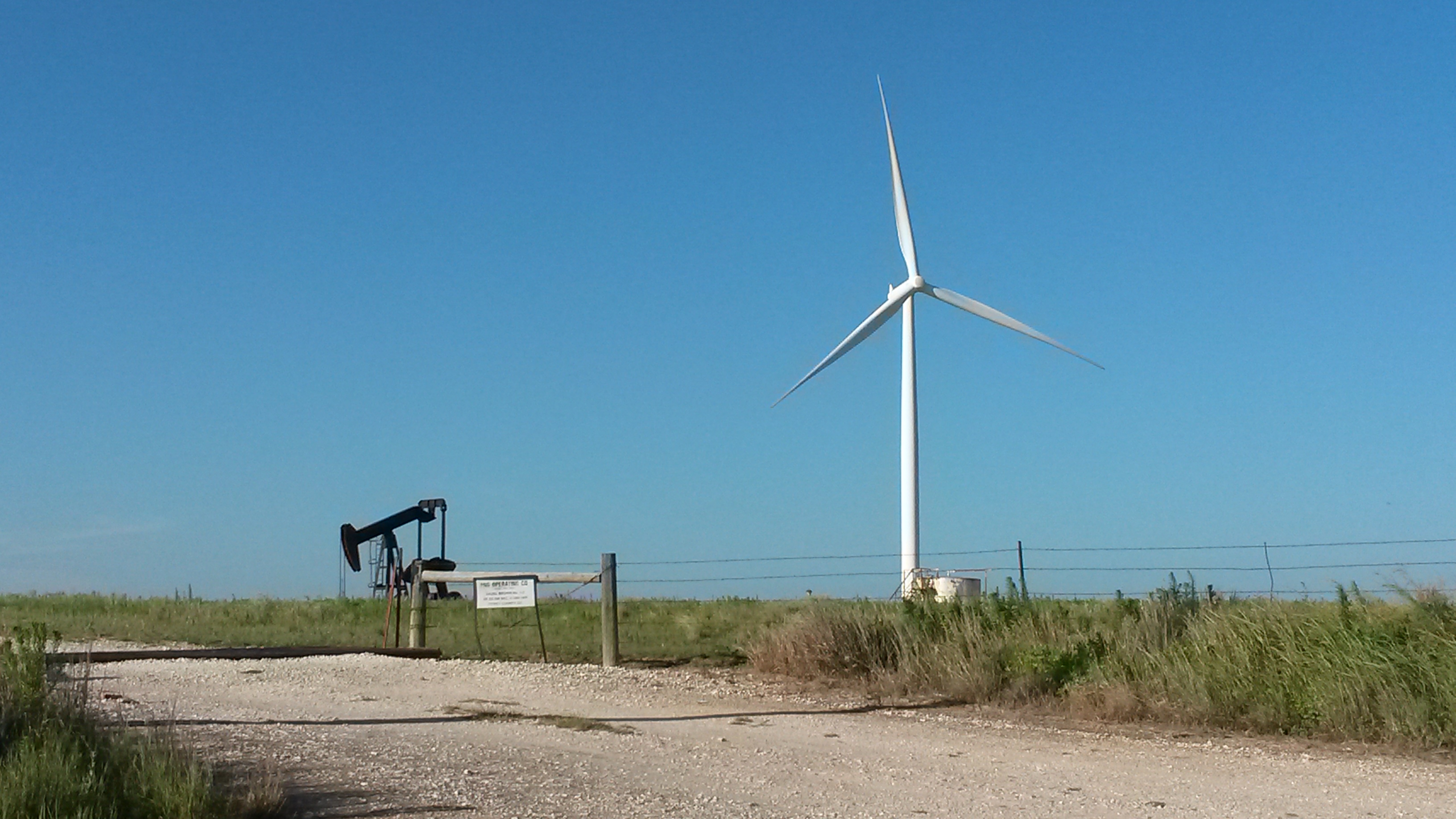
Question. If a small town with a 100-year history of oil drilling is suddenly surrounded by wind turbine construction, will they welcome wind energy or resent it? What role, if any, do economics, sociology, and history play in people’s reactions to environmental change. Every day, I work on these types of problems that sit at the intersection of environmental and social issues.
Most people flick on their lights or place an online order without thinking much of them. But behind these simple actions stand a range of workers, infrastructure, laws, regulations, environmental impacts, and public opinion. What’s more, all of these things are changing at an unprecedented rate. Climate change. Social justice. Renewable subsidization. Public health questions. Land policy. Taxation issues.
It’s a lot to contend with, but it’s also important to grapple with these questions. Between the combined pressures of climate change and resource use, our environmental, social, and economic future will look very different than it does now. I’m working to ensure that the difference is a positive one.
My Work
Through my work as a research analyst in the energy transition and urban innovations space, I research how innovations in sustainability technology and policy can improve our communities. I examine how these changes are expected to develop into the future and how they can build a more resilient and engaged public. Through market research, report publication, and writing, I am helping municipal and industry partners build cleaner, smarter cities.
Previously, I lead research and outreach efforts for the Rural Energy Project at Washington College’s Center for the Environment and Society. I directed a team of student researchers on a variety of initiatives to achieve energy resilience, sustainability, and democratization in rural spaces. We helped leaders in rural towns identify strategies to lower their utility costs and reduce emissions. We also researched barriers to the adoption of renewable energy in rural spaces to better understand how clean energy projects can be developed equitably. We also worked with our GIS lab to quantify the vulnerability of communities to energy disruption and improve resiliency.
My Education
In 2014, I earned my Bachelor of Science in Fisheries, Wildlife, and Conservation Biology from Kansas State University. During that time, I worked on several conservation biology projects that examined how the human management of rangelands and commercial ranching operations influences the biosphere. It allowed me a first-hand look at the intimate connections we share with the natural world; both how dependent we are on the environment and how we affect it in turn.
In 2016, I earned my Master of Science in Environmental Sociology from Oklahoma State University. While serving as the lead researcher for the OSU Social Research Observatory’s efforts in Woodward, Oklahoma, I observed firsthand how our social surroundings and emotional connections to the environment influence how we impact it. My research focused on how history and social identity influenced how the people of Woodward, Oklahoma perceived the wind energy industry booming around them.
Personal
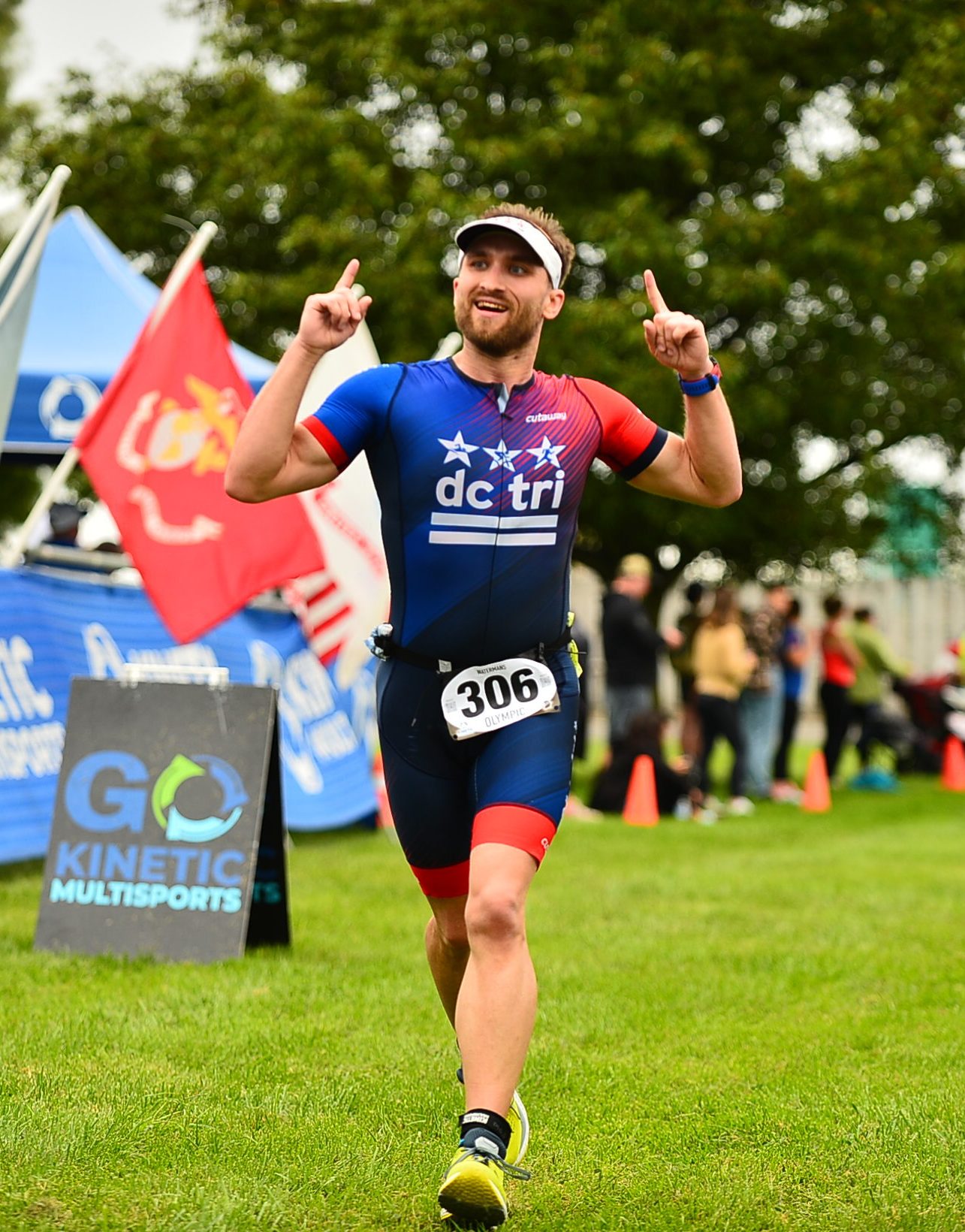
When I’m not grappling with the tough issues posed by climate change, I enjoy tackling athletic challenges: triathlon and weightlifting. I also enjoy the ecosphere that I help to preserve through hiking, photography, and camping. If I have to be inside, I’m probably tending to my house plants.
 Grant Samms